How Football Games Have Evolved Over the Years
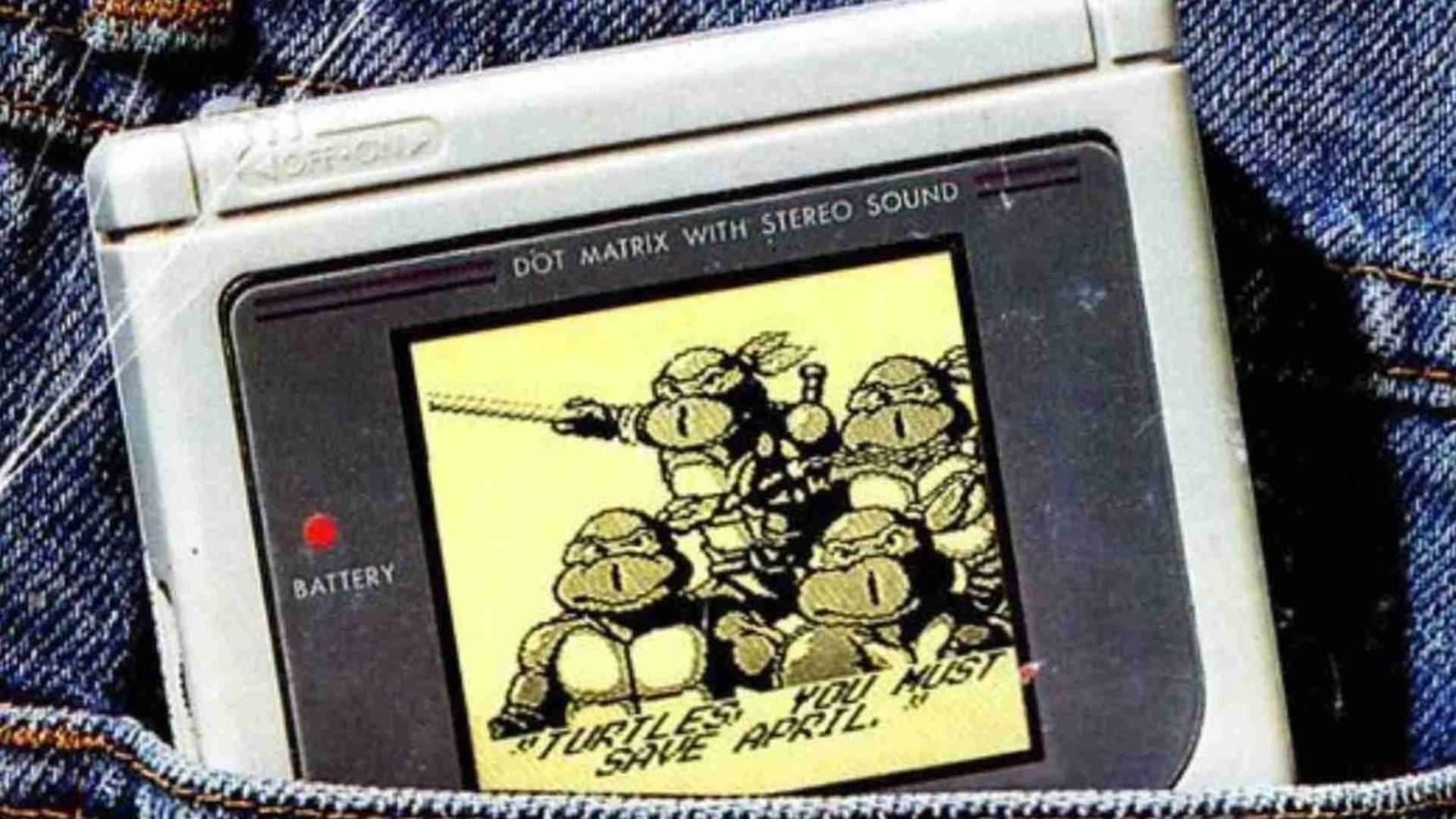
The journey of virtual football has transformed from simplistic pixelated movements into hyper-realistic simulations that mirror every nuance of the professional sport. This evolution reflects broader technological leaps in processing power, graphical rendering, and artificial intelligence over the last several decades. Today, fans can experience the atmosphere of a packed stadium and the intricate tactics of world-class managers from the comfort of their own homes.
The Era of Arcade Beginnings and 8-Bit Limitations
In the early days of gaming, football titles were characterized by stick-figure players and very basic control schemes. Hardware limitations meant that developers had to focus on arcade-style fun rather than realistic physics or authentic team representations. These foundational games relied on simple sprites and repetitive sound effects to convey the excitement of a match.
As home consoles became more prevalent in the 1980s, the genre began to see the introduction of distinct team colors and recognizable player positions. While far from realistic, these titles established the core mechanics of passing and shooting that would define the genre for years. They served as a proof of concept that the beautiful game could indeed be translated into a digital format.
Despite the lack of graphical fidelity, the competitive spirit of these early games captured the imagination of a growing global audience. They laid the groundwork for the massive industry we see today, proving there was a significant appetite for sports simulations. These retro experiences remain a nostalgic touchstone for many veteran gamers who remember the dawn of the digital pitch.
Transitioning to Three Dimensions and Simulation Physics
The introduction of 3D graphics in the mid-1990s marked a definitive turning point for the evolution of football video games. This shift allowed for multiple camera angles and more fluid player animations, providing a much higher level of immersion for the user. It was during this period that the focus began to move away from arcade play toward serious simulation.
Developers started incorporating real-world data, licensed player names, and authentic club kits to enhance the feeling of legitimacy. The physics engines also saw massive improvements, allowing the ball to move independently of the players for the first time. This meant that headers, long-range volleys, and deflections became unpredictable and exciting elements of every match.
To stay informed about how these technological shifts impact the way we consume sports media today, many fans visit yuk sports for the latest updates. Understanding the history of these developments helps players appreciate the complexity of modern gaming engines. This era proved that realism was the future of the genre, setting a high standard for all subsequent releases.
The Modern Landscape of Realism and Connectivity
Current football titles have achieved a level of graphical detail where virtual matches are often indistinguishable from real television broadcasts. Motion capture technology ensures that every movement, from a striker's sprint to a goalkeeper's dive, is perfectly recreated. Advanced lighting and stadium modeling further contribute to an unparalleled sense of presence and atmosphere.
Artificial intelligence now plays a critical role in how teammates and opponents react to tactical changes on the fly. Players no longer move in predictable patterns, as modern engines simulate individual intelligence and team-wide strategies. This depth allows for complex managerial simulations where every decision regarding formation and substitutions can alter the outcome of a season.
Furthermore, the rise of online connectivity has transformed football games into massive social platforms where millions compete globally. Features like live roster updates and seasonal events keep the content relevant to the real-world football calendar. The evolution from simple pixels to a persistent digital ecosystem highlights the incredible progress of the gaming industry.